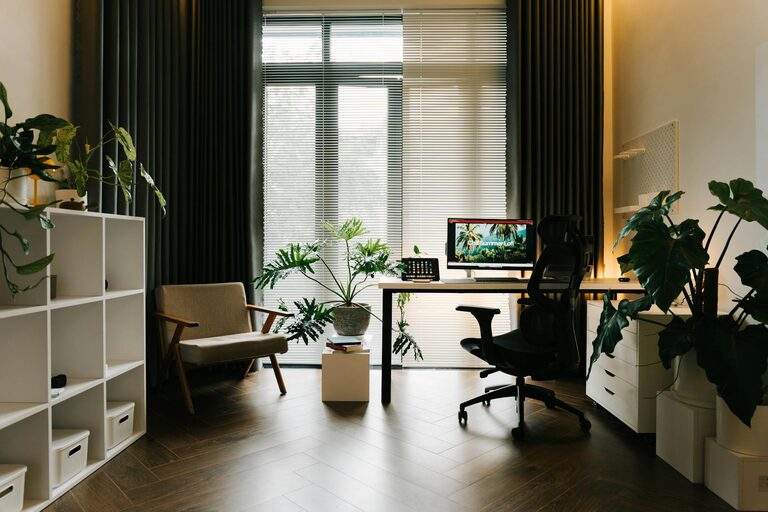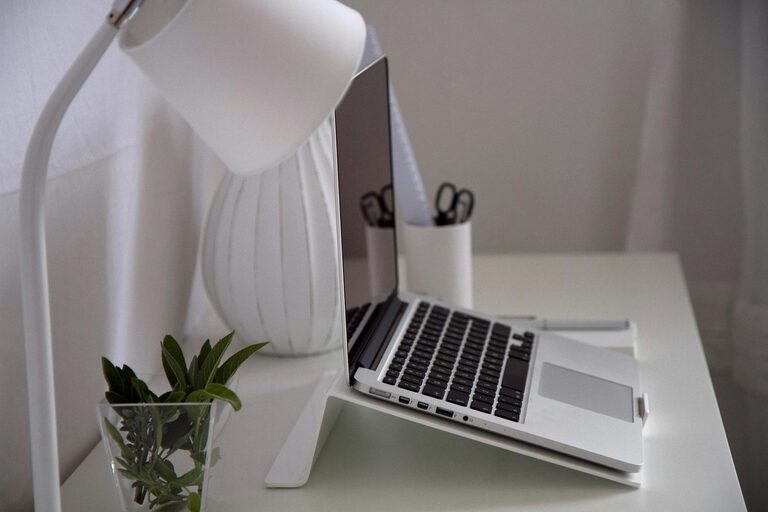










Creating a cozy and productive home office can significantly improve your work-from-home experience. A well-designed workspace not only boosts your efficiency but also makes your working hours more enjoyable. Whether you have a designated room or just a small corner, with some thoughtful planning, you can transform it into a space that nurtures creativity and focus.
1. Choose the Right Location
Selecting the perfect spot for your home office is the first step in creating a comfortable workspace.
– Natural Light: Aim to set up near a window to take advantage of natural light, which can improve mood and reduce eye strain.
– Quiet Environment: Pick a quieter area away from distractions such as household noise or street traffic.
– Space Availability: Even a small nook can work if it’s tidy and allows you to organize your work essentials.
2. Invest in Comfortable and Functional Furniture
The furniture you select can affect both your posture and your productivity.
– Ergonomic Chair: Choose a chair that supports your back to prevent discomfort during long hours of sitting.
– Appropriate Desk: Your desk should have enough surface area for your computer, documents, and other tools, without feeling cluttered.
– Adjustable Options: Desks and chairs that adjust in height can help you find the most comfortable working position.
3. Optimize Lighting
Good lighting is essential to avoid eye strain and maintain energy levels.
– Layer Your Lighting: Combine natural light, overhead lights, and task lighting such as a desk lamp.
– Avoid Glare: Position screens perpendicular to windows to reduce glare.
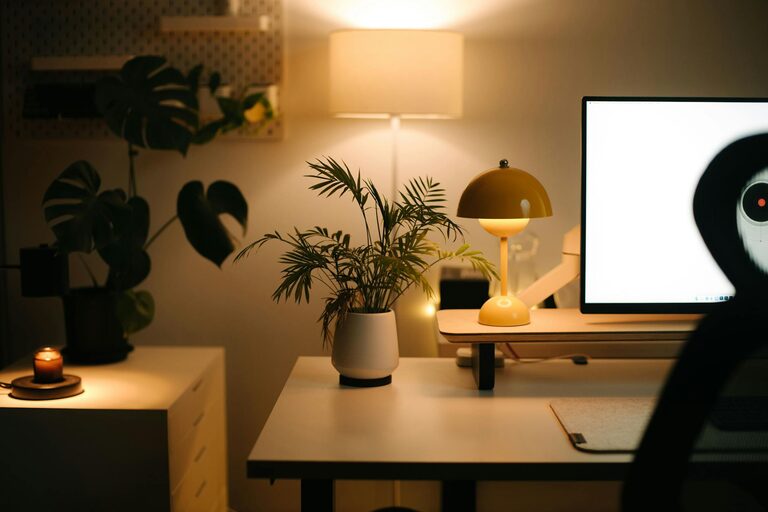
– Warm Light: Opt for warm light bulbs to create a cozy atmosphere.
4. Personalize Your Workspace
Adding personal touches can make your office feel inviting and motivate you throughout the day.
– Decorate with Plants: Indoor plants not only improve air quality but also add a refreshing touch.
– Artwork and Photos: Display prints or photos that inspire or make you happy.
– Color Choices: Use colors that boost your mood; for instance, soft blues and greens are calming.
5. Keep It Organized and Clutter-Free
An organized workspace helps maintain focus and reduces stress.
– Storage Solutions: Use shelves, drawers, or organizers to keep supplies neatly stored.
– Cable Management: Use clips or ties to manage cables and keep your desk clear.
– Daily Tidying: Spend a few minutes at the end of each day to tidy up your space.
6. Incorporate Technology Thoughtfully
Technology should make your work easier, not more complicated.
– Reliable Internet Connection: Ensure your Wi-Fi is strong and stable.
– Essential Devices: Use a good quality headset, webcam, and microphone for virtual meetings.
– Monitor Setup: If possible, invest in an external monitor to increase screen space.
7. Create a Healthy Routine
Your physical and mental well-being are vital for productivity.
– Movement Breaks: Take short breaks every hour to stretch or walk around.
– Hydration Station: Keep a water bottle nearby to stay hydrated throughout the day.
– Comfort Items: Use wrist supports, footrests, or cushions to enhance comfort.
8. Set Boundaries
Separating your work life from home life helps maintain balance.
– Clear Work Hours: Define your working hours and communicate them to family or roommates.
– Dedicated Space: If possible, keep work devices and materials confined to your office area.
– End-of-Day Ritual: Develop a routine to signal the end of the workday, like turning off your computer or closing your office door.
—
Creating a cozy and productive home office doesn’t have to be complicated or expensive. By focusing on comfort, organization, lighting, and personalization, you can build a space that supports your professional goals while keeping you at ease. Start small with a few changes, and you’ll soon notice the positive impact on your work and well-being.