








Creating a home office space that feels cozy and inviting can transform the way you work. Whether you spend a few hours a week or full days in your home office, a comfortable and well-organized environment fosters productivity and reduces stress. In this post, we’ll explore practical tips to help you design a home office that feels warm, welcoming, and efficient.
Choose the Right Location
Prioritize Natural Light
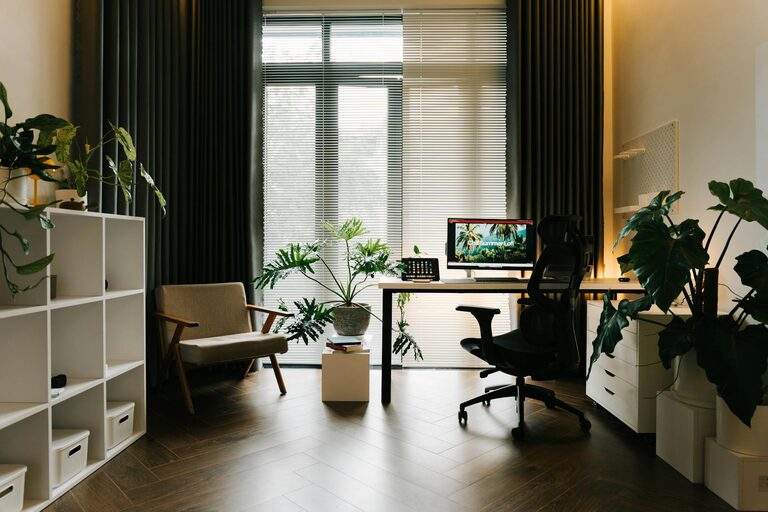
Natural light is one of the best elements for creating a pleasant workspace. If possible, set up your desk near a window to take advantage of daylight. It can help improve mood and reduce eye strain. Use sheer curtains to soften the light without blocking it out completely.
Consider Privacy and Noise Levels
Select a quiet area that minimizes distractions. If you live with others, try to find a spot away from busy household areas. This will help you focus and create a clear boundary between work and relaxation spaces.
Invest in Comfortable and Functional Furniture
Ergonomic Chair and Desk
Your furniture choices play a crucial role in maintaining comfort. An ergonomic chair supports good posture and prevents back and neck pain. Pair it with a desk at the right height to avoid strain. Adjustable desks or sit-stand options are great if you want flexibility.
Use Storage Solutions
Clutter can create stress and reduce efficiency. Use shelves, drawers, or cabinets to keep office supplies organized. Label boxes and files to make it easy to find what you need.
Set a Cozy Ambiance
Warm Lighting
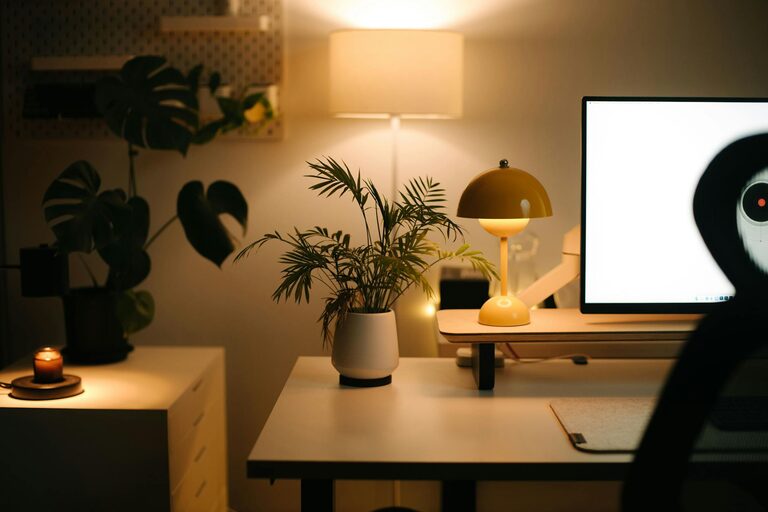
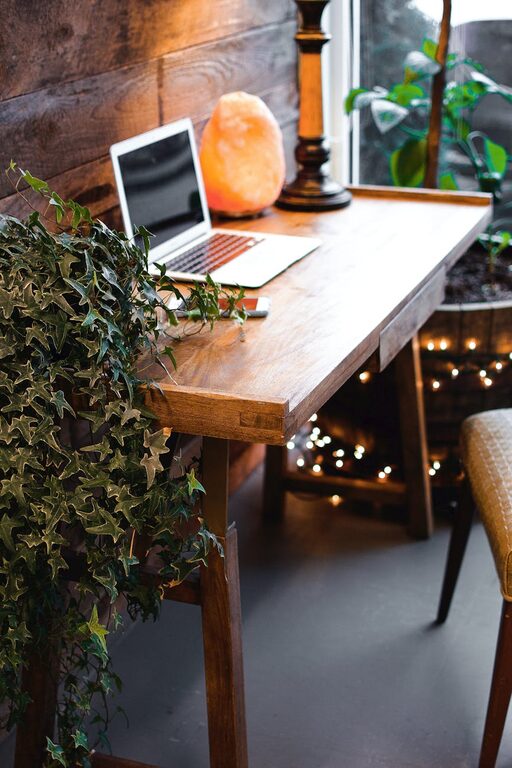
Besides natural light, add a combination of lighting sources for evenings or low-light days. Opt for warm white bulbs in desk lamps or floor lamps to create a relaxed atmosphere.
Soft Textiles
Incorporate soft rugs, cushions, or a throw blanket to add warmth and texture. These elements can make your office feel more inviting and less sterile.
Add Personal Touches
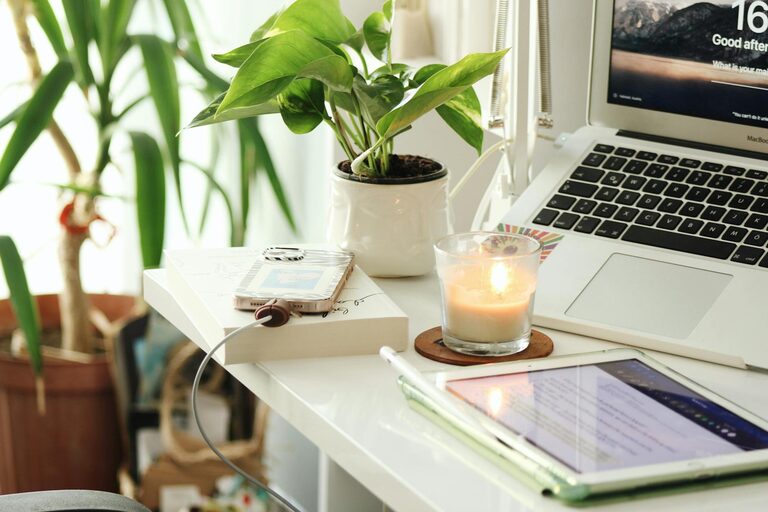
Decorate your workspace with items that inspire and motivate you. Photos, artwork, plants, or your favorite books personalize the space and make it more enjoyable.
Organize for Efficiency
Declutter Regularly
Set aside time weekly to tidy your office. A clear desk can improve concentration and reduce anxiety.
Use Cable Management
Neatly manage cables with clips, ties, or cable boxes to keep wires hidden and prevent tangling.
Keep Essential Items Within Reach
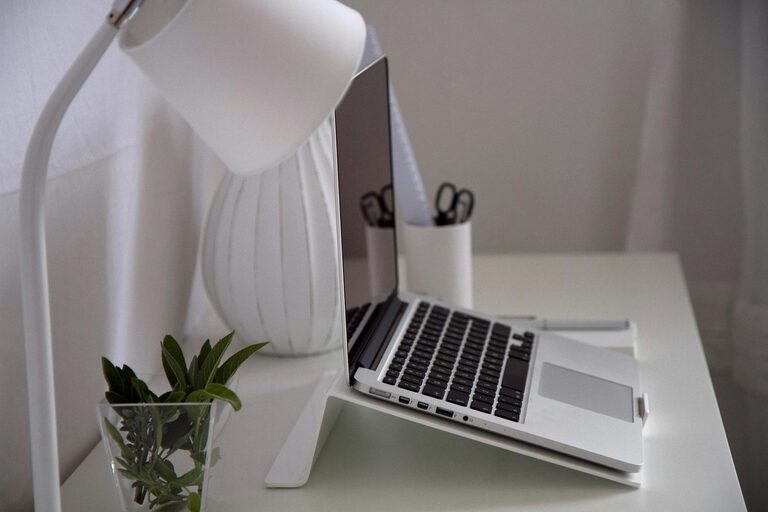
Arrange your desk so that frequently used supplies and devices are easily accessible. This saves time and keeps your workflow smooth.
Incorporate Greenery
Plants not only improve air quality but also add color and life to a home office. Choose low-maintenance plants like succulents, snake plants, or pothos if you don’t have a green thumb. Place them on your desk or nearby shelves.
Maintain a Consistent Color Scheme
Choose calming colors like soft blues, greens, or neutral tones to create a sense of tranquility. A cohesive color palette helps the space feel unified and less distracting.
Control Temperature and Air Quality
Ensure your office isn’t too hot or cold, as temperature affects comfort and productivity. Use fans, heaters, or air purifiers as needed to maintain fresh air and a pleasant environment.
Manage Technology and Distractions
Use Noise-Canceling Headphones
If noise is unavoidable, noise-canceling headphones can help you stay focused.
Minimize Screen Glare
Position screens to avoid glare from windows or lights. Consider anti-glare screen protectors if necessary.
Set Boundaries Between Work and Relaxation
Design your office space exclusively for work to help you mentally separate job tasks from personal time. When you leave the space, try to disconnect and relax to avoid burnout.
—
By following these tips, you can create a home office that’s both cozy and highly functional. The goal is to design a space that encourages productivity while feeling comfortable and reflective of your personality. With thoughtful planning and a few simple upgrades, your home office can become a place you look forward to working in every day.