








Creating a home office that truly supports productivity and sparks creativity is more important than ever. Whether you work remotely full-time or need a dedicated space for occasional tasks, having a well-designed home office can make a huge difference in how you work and feel throughout the day.
In this post, we’ll explore practical tips and ideas for setting up a home office that helps you stay focused, organized, and inspired.
Choose the Right Location
Consider Natural Light
One of the most important factors in boosting productivity is natural light. Try to set up your workspace near a window where you can enjoy daylight. Natural light not only helps reduce eye strain but can also elevate your mood and energy levels.
Minimize Distractions
Select a quiet corner or room where interruptions are minimal. If your home is busy, consider adding soundproofing elements like rugs, curtains, or noise-canceling headphones to create a calm environment.
Invest in Ergonomic Furniture
Comfortable Chair and Desk
A good chair that supports your back and encourages proper posture is essential. Paired with a desk at the right height, ergonomic furniture helps prevent discomfort and fatigue.
Adjustable Options
If possible, opt for adjustable desks or chairs that allow you to alternate between sitting and standing. This flexibility improves circulation and keeps you more alert.
Organize Your Space
Declutter Regularly
Keep your desk tidy by removing unnecessary items. A clutter-free environment reduces distractions and helps your mind focus on the task at hand.
Use Storage Solutions
Incorporate shelves, drawers, file organizers, or baskets to keep documents, supplies, and personal items in order. Labeling containers can also save time when searching for what you need.
Personalize Your Workspace
Add Inspiring Elements
Incorporate artwork, plants, or motivational quotes that resonate with you. These elements make the space pleasant and encourage creativity.
Choose Calming Colors
Research suggests that certain colors can influence mood and focus. Soft blues and greens tend to be calming, while yellows and oranges can stimulate creativity.
Maximize Technology Efficiency
Invest in Reliable Equipment
Ensure your computer, printer, and internet connection are fast and dependable to avoid frustrating interruptions.
Use Multiple Screens
If your work involves multitasking or design, having more than one screen can enhance productivity and prevent eye strain.
Manage Lighting Appropriately
Combine Ambient and Task Lighting
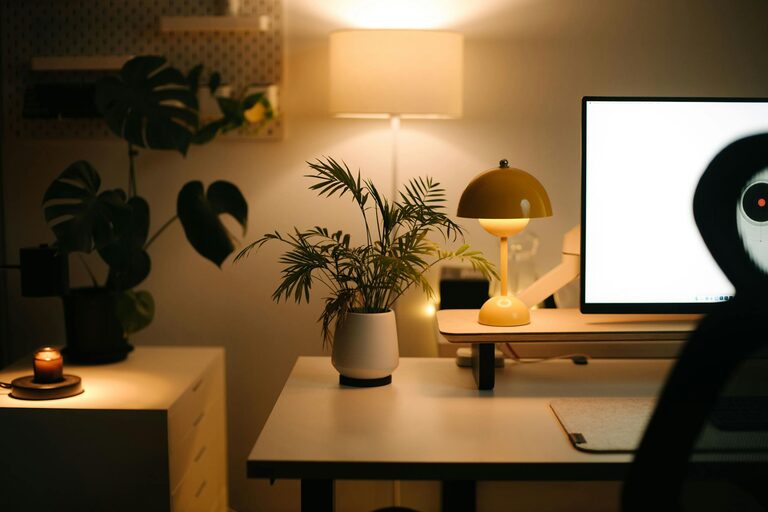
In addition to natural light, use adjustable desk lamps or LED lighting that reduce glare and shadows. This setup reduces eye fatigue and helps maintain concentration throughout the day.
Establish Clear Boundaries
Define Work Hours
Creating a schedule and sticking to it helps maintain work-life balance and improves focus during working hours.
Separate Work and Leisure Areas
If possible, keep your workspace distinct from relaxation spots to reinforce mental separation between work and personal time.
Incorporate Movement Breaks
Plan Short Active Breaks
Take regular short breaks to stretch or walk around. Movement refreshes the body and mind, enhancing overall productivity.
Consider Mini Workouts
Using a yoga mat or small exercise bands in your office can make it easy to fit in simple exercises during breaks.
Use Tools to Enhance Focus
Noise-Canceling Headphones or White Noise
If your home environment is noisy, consider headphones or white noise machines to minimize distractions.
Time Management Apps
Use apps or timers like the Pomodoro Technique to keep focused in short bursts, followed by breaks.
Keep Your Workspace Fresh
Open Windows for Air Flow
Good ventilation prevents stuffiness, which can cause fatigue and reduce mental sharpness.
Add Greenery
Plants not only improve air quality but have been shown to reduce stress and increase creativity.
—
By carefully planning and arranging your home office with these tips, you can create a productive environment that nurtures both creativity and focus. Tailor your space to what works best for you, and remember that small changes can make a big difference in your daily work experience.